Article
22 October 2025
Steel & Fire Doors: Ensuring the Highest Level of Building Security
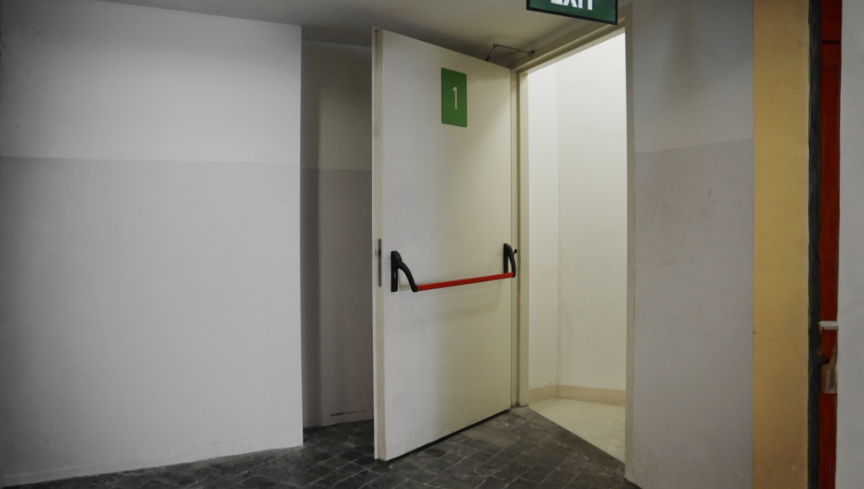
Steel doors and fire doors, also known as fire-resistant doors, are crucial components in modern building design aimed at enhancing

Article
22 October 2025

A 2024 report by Statista shows that over 45% of Indonesians aged 20–35 now prefer working from flexible, lifestyle-based environments like cafés or coworking spaces instead of offices.
This trend signals a shift in how young professionals approach work, with greater emphasis on comfort, flexibility, and meaningful experiences.
As remote and hybrid work reshape daily routines, cafés in major cities are quickly evolving to meet new expectations. They are no longer just serving coffee, but also offering productive, welcoming spaces where people can focus, create, and connect.
This shift marks the rise of the Work-from-Café (WFC) movement, which has grown beyond coffee and Wi-Fi. What now defines a successful WFC experience is comfort, from the way a chair supports your posture to the atmosphere that helps you stay focused throughout the day.
In this article, we explore how thoughtful design choices in furniture, layout, and ambience can transform cafés into comfortable, functional spaces that meet the needs of modern workers.
According to the Journal of Environmental Psychology, thoughtfully designed spaces with proper lighting and ergonomics can boost concentration by up to 33% and reduce mental fatigue.
This is why comfort lies at the heart of the Work-from-Café (WFC) experience. Whether someone stops in for a quick task or settles in for the afternoon, it’s that sense of physical and mental ease that keeps them coming back.
To achieve this, several key elements work together to create a café environment that’s both comfortable and work-friendly.
The feeling of relaxation starts with how furniture is chosen and arranged. Furniture is more than a visual feature; it’s what customers interact with most. Soft, rounded edges, warm wood tones, and breathable materials add a sense of comfort that elevates the atmosphere.
At the same time, modular pieces make it easy to rearrange seating for solo work, casual catch-ups, or group meetings. This flexibility ensures the café remains functional and welcoming for every kind of customer, no matter how they use the space.
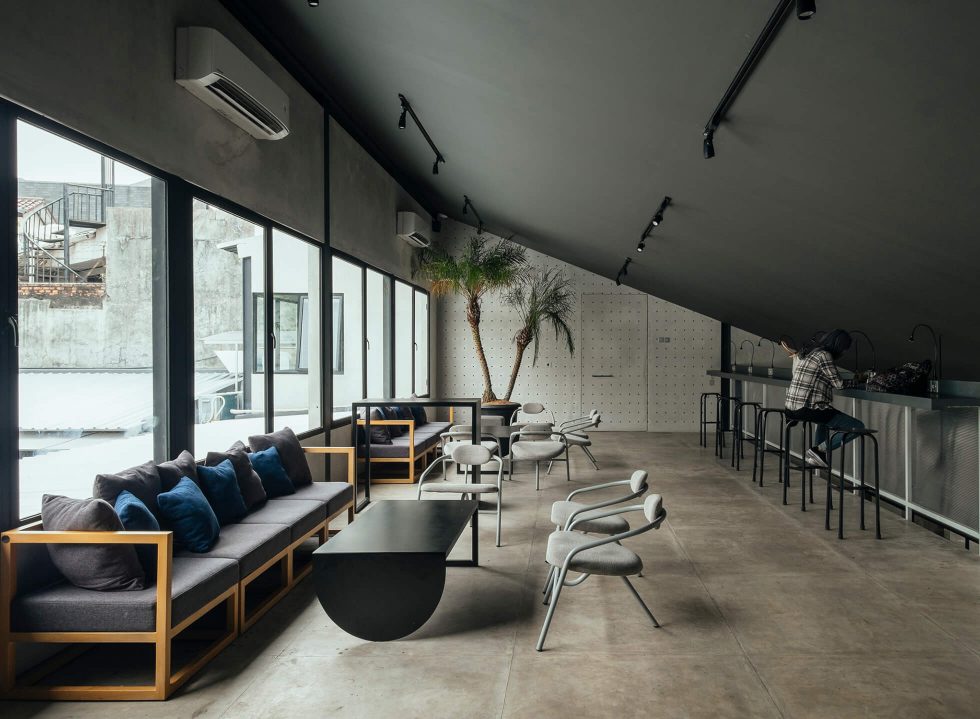
Building on thoughtful furniture choices, the way a space is laid out further shapes how comfortable and practical it feels. Comfort isn’t just about what you sit on; it’s also about how the space flows. Flexible layouts and generous spacing support different work styles, allowing customers to feel at ease whether they’re staying for hours or dropping in briefly.
Clean, modular arrangements, like those at Kopi Kenangan, adapt seamlessly to short visits, longer work sessions, or small gatherings. This adaptability makes the café a reliable place to focus or relax.
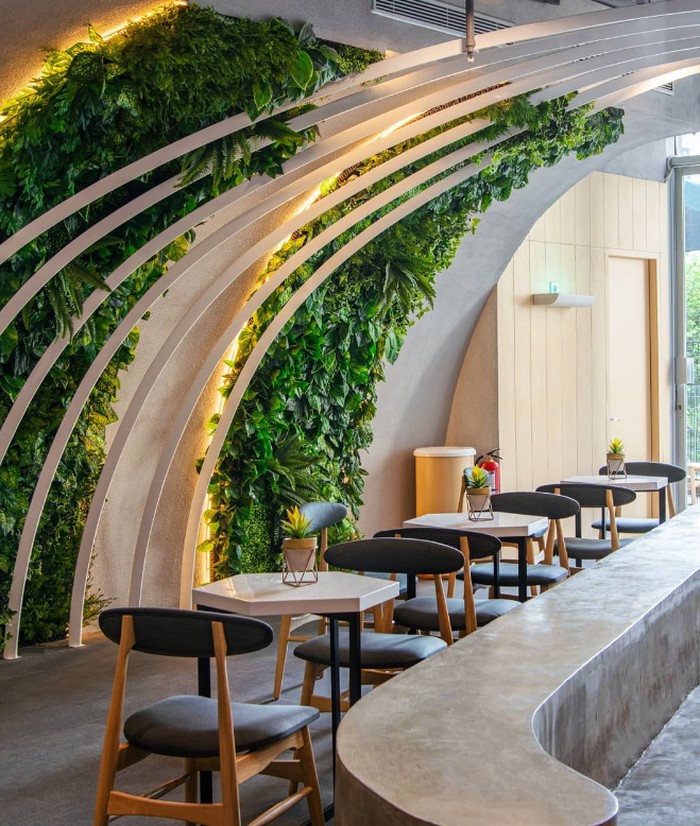
Once the space is arranged to feel open and flexible, the seating itself becomes essential to maintaining comfort over time. Ergonomic chairs designed to support natural posture with proper cushioning, back support, and the right seat height help reduce physical strain during long visits.
When customers feel physically supported, they’re more likely to stay longer, stay focused, and return, making comfort not just a nice extra but a core part of the café experience.
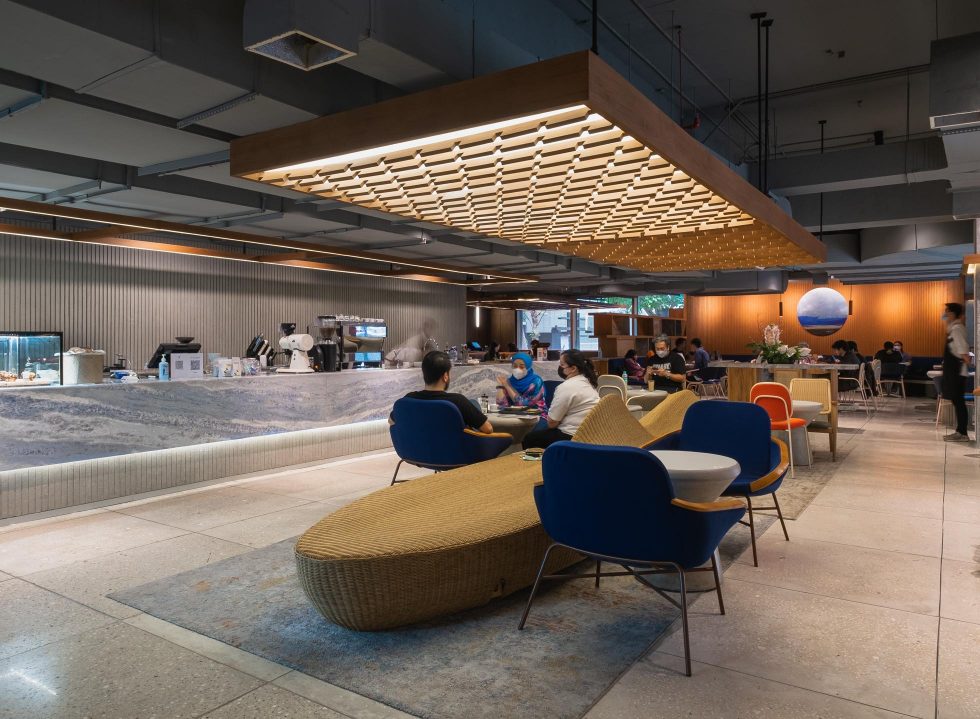
Finally, all of these elements come together within an ambience that sets the tone the moment someone walks in. Soft lighting, warm colours, and natural materials like wood and greenery create a relaxed, welcoming environment that complements ergonomic seating and thoughtful layouts. Together, these details help customers feel at ease, making it easier to focus, unwind, and enjoy their time, whether they’re working or simply taking a break.
When elements like ergonomic seating, flexible layouts, calming ambience, and well-chosen materials come together, they elevate an ordinary café into a reliable, enjoyable workplace.
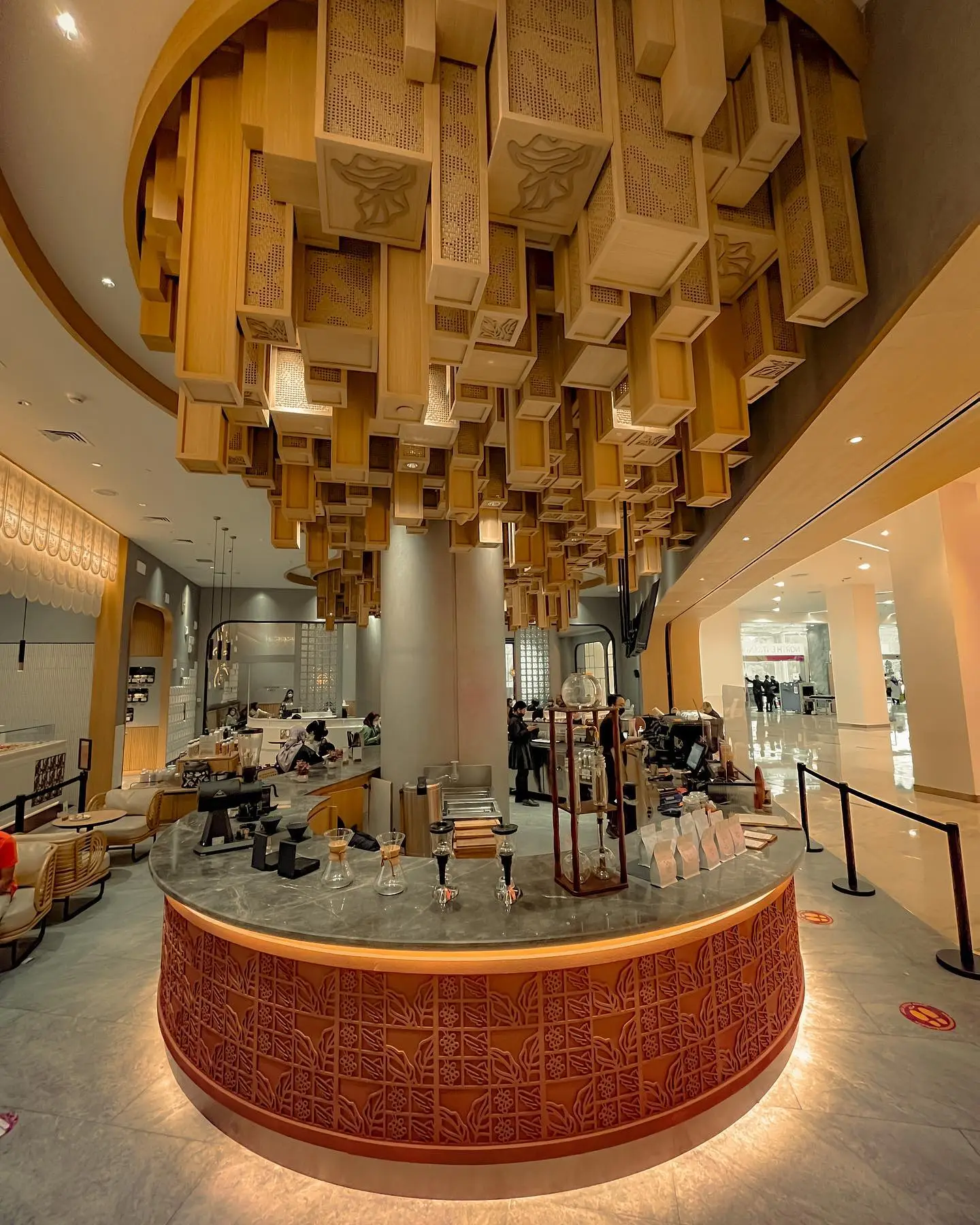
As cafés grow in today’s competitive market, maintaining a consistent sense of comfort and atmosphere is essential to sustaining the brand experience. Even subtle changes in layout or furniture can influence how customers feel and connect with the space. Overall, creating the right atmosphere begins with selecting furniture that aligns with the brand’s visual identity and offers lasting comfort, ensuring customers feel welcome and eager to return.
Lifestyle-driven brands understand this well. By standardising furniture and layout across their branches, they ensure each location delivers the same familiar, welcoming atmosphere that customers know and trust.
To maintain this consistency, it’s essential to work with the right partner, one that can provide modular furniture, cohesive materials, and thoughtful spatial planning. With the right support, cafés can scale and evolve without losing the comfort and identity that define their brand.